Campground and RV park WiFi
Guest WiFi that works at the far sites, not just near the office, and that can pay for itself if you want it to.
The problem
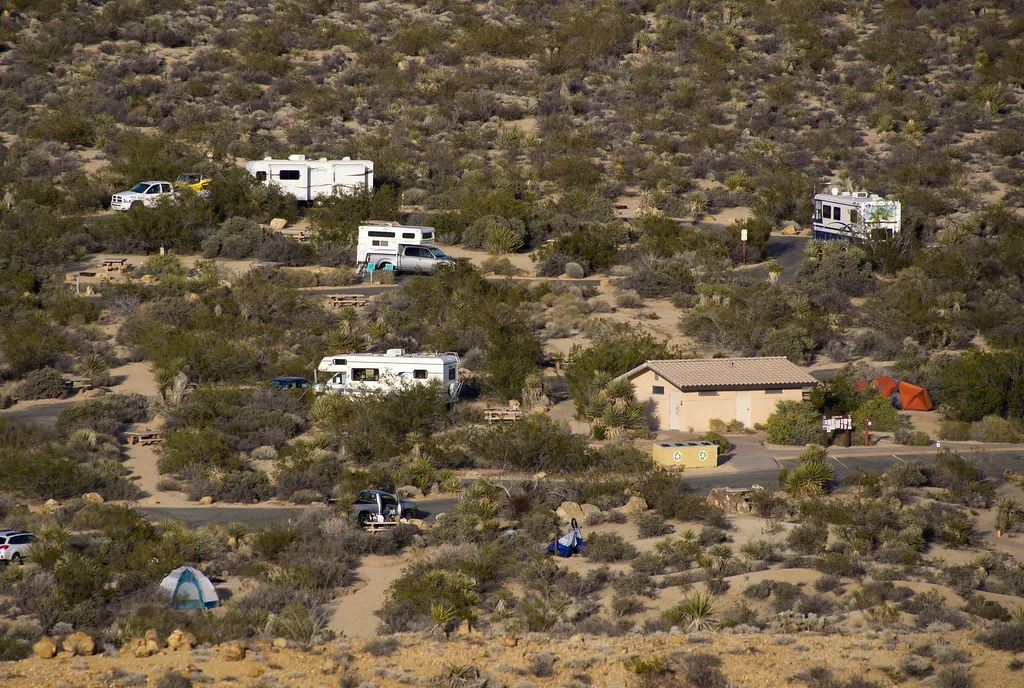
Why campground WiFi usually disappoints
A consumer router at the office covers the office. Sites at the far end of the property get one bar and guests complain at check-out. Campgrounds are a genuinely difficult wireless environment: long distances, trees, metal-skinned RVs and heavy seasonal load all at once.
Solving it is a design problem before it is an equipment problem: where the access points go, how they are fed, and how the load is spread.
Coverage
Covering the whole property
We use Ubiquiti outdoor equipment and point-to-point links to carry bandwidth to parts of the property that cable cannot reach economically. Buildings, shower blocks and far loops can be brought on to the same network without trenching to each one.
Where a site has no usable internet at all, a point-to-point link from a building that does is often the practical answer. See outdoor wireless for how those links work.
Guests
Guest access and paid WiFi
Guest access can be open, password-per-stay, or paid. Paid tiers let guests buy faster access for the length of their stay, which for many parks turns the WiFi from a cost into something that covers its own upkeep.
Either way, guest traffic stays separated from your office and payment systems.
Seasonal
Seasonal realities
A New Hampshire campground is close to empty in April and full on the Fourth of July. A network sized for the quiet months fails exactly when your guests are most likely to review you. We size for the peak.
Survey
Starting with a survey, not a quote
A quote given without walking the property is a guess. Tree cover, the position of the office, where power already runs, how far the loops are from the main building and what the terrain does between them all change the design.
We walk the site, work out where access points can be fed and mounted, and design around what is there rather than around a standard package.
Power
Power and cabling in the field
Most campground access points are powered over the network cable itself, which means one cable rather than a trench and an electrician. Where a loop is too far for that, a point-to-point link carries the signal and a local power source handles the rest.
Support
Through the season
The time a campground cannot afford a network problem is a full July weekend. We monitor the equipment, and we are reachable when it matters; the managed support arrangement is what most parks use for the season.
Questions
Frequently asked questions
Can you cover a whole campground, not just the office?
Yes. That is the usual reason we are called. Outdoor access points and point-to-point links extend coverage to far loops and outbuildings without trenching cable to each one.
Can guests pay for WiFi access?
Yes. Paid tiers can be set up so guests buy higher-speed access for the length of their stay, which for many parks covers the cost of running the system.
Will guest WiFi put our office systems at risk?
Not if it is built correctly. Guest traffic is separated from office and payment systems so the two cannot reach each other.
What about RV parks and marinas?
Same approach. Metal-skinned RVs and boats are a harder wireless environment than buildings, which is exactly why access point placement matters more than equipment brand.